Etiqueta: andes

  • Coffee Spotlight: From Seed to Sapling

    Coffee Spotlight: From Seed to Sapling

    Coffee has a journey that begins long before it reaches your cup, and a journey with centuries of ancestral knowledge. Central to this journey is the meticulous process of seed selection and planting, where each step is crucial in nurturing the future harvests while caring for the land. It’s a process that Bio-Arcoíris takes seriously. Let’s dig in! 

    Early Days

    Coffee plants belong to the genus *Coffea*, with several species cultivated for commercial purposes. The two most prominent species are *Coffea arabica* and *Coffea canephora* (commonly known as Robusta). Arabica is prized for its complex flavors and is grown at higher altitudes, while Robusta is hardier and often used in blends or for instant coffee production. Bio-Arcoíris only utilices Arabica beans.

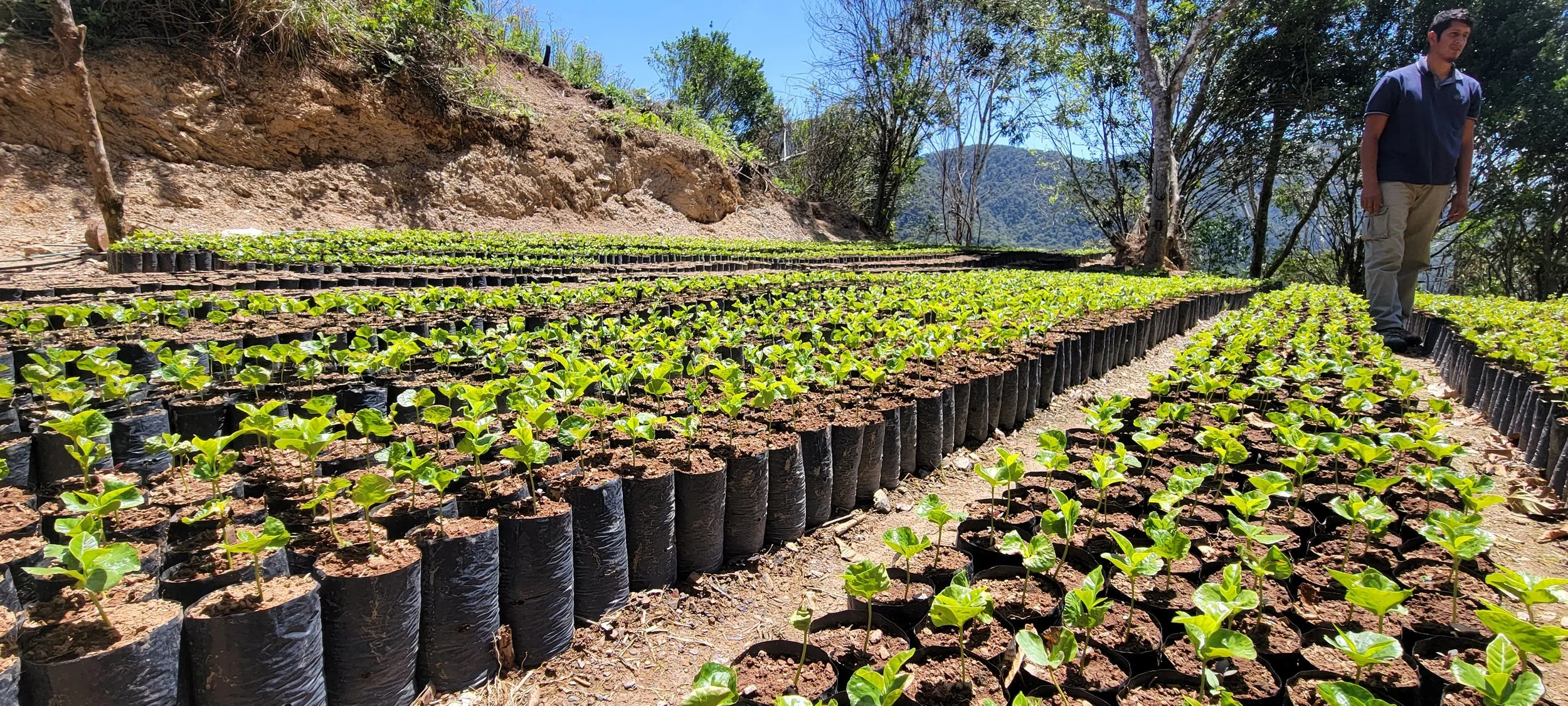
    Bio-Arcoíris’ producers rely on the knowledge of Indigenous landkeepers that have come before them to guide the process of seed selection and nurturing. The beans for seeds are selected from plants that have matured at least three years and showed strong characteristics. After careful hand de-pulping, gentle washing and drying so as to not hurt the embryos, the seeds are planted in a mixture of soil and sand. Careful monitoring of temperature and humidity levels are essential during this stage to ensure healthy seedling development, as well as the use of natural methods to ward off infection or other early “sickness.” 

    Planting in the Ideal Location

    Coffee plants thrive in tropical and subtropical climates, like the Yungas region where Bio-Arcoíris is located. Factors such as altitude, rainfall, soil type, and sunlight exposure are carefully considered to ensure the best conditions for healthy growth and quality yield.

    Once the healthily-developed seedlings have reached what producers refer to as their “butterfly” or “mariposita” stage after 50-60 days, they are moved to pots for further maturation. A few months later, they are ready for transplantation to the field. The planting process involves digging holes spaced appropriately to allow for optimal growth and airflow between plants. 

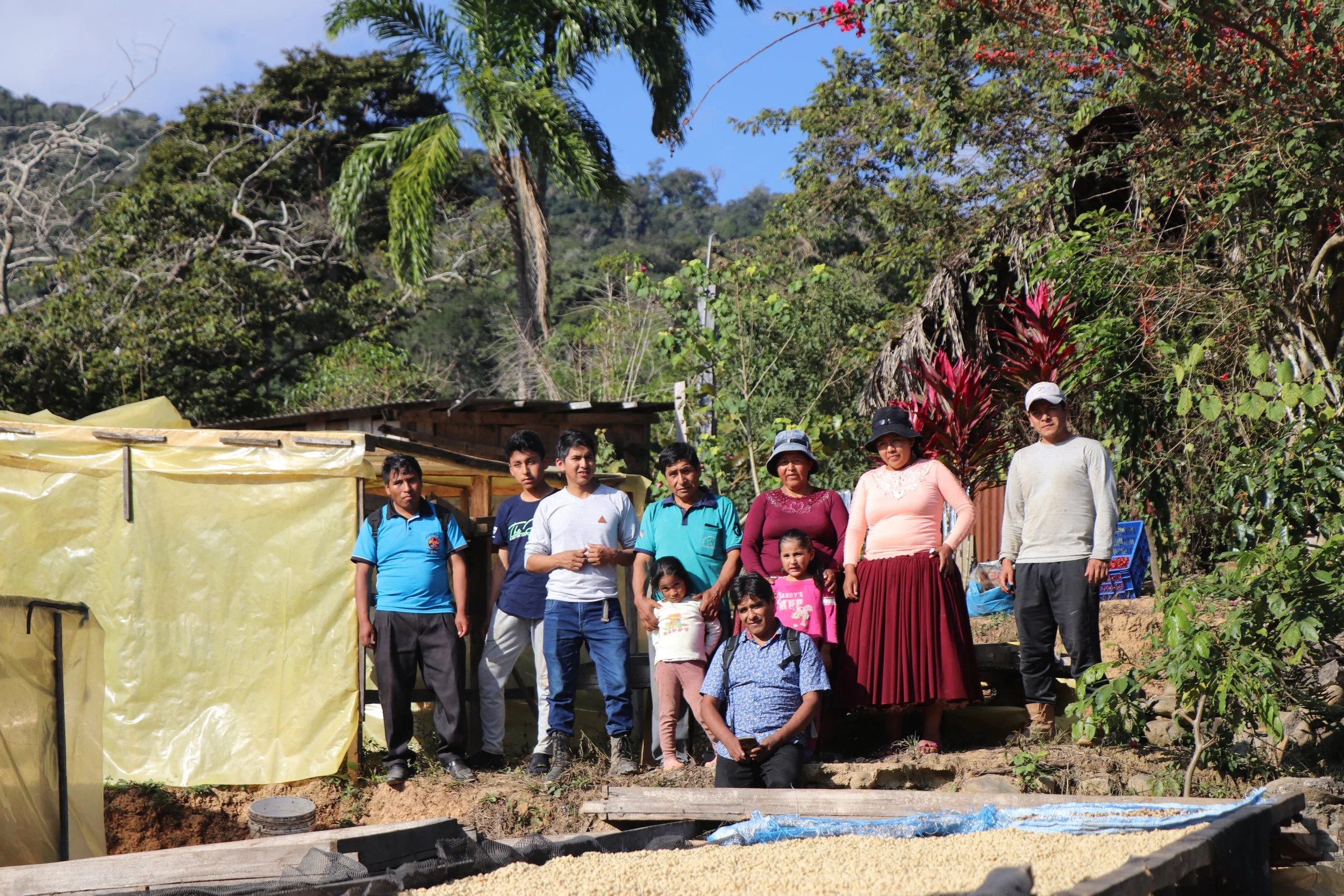
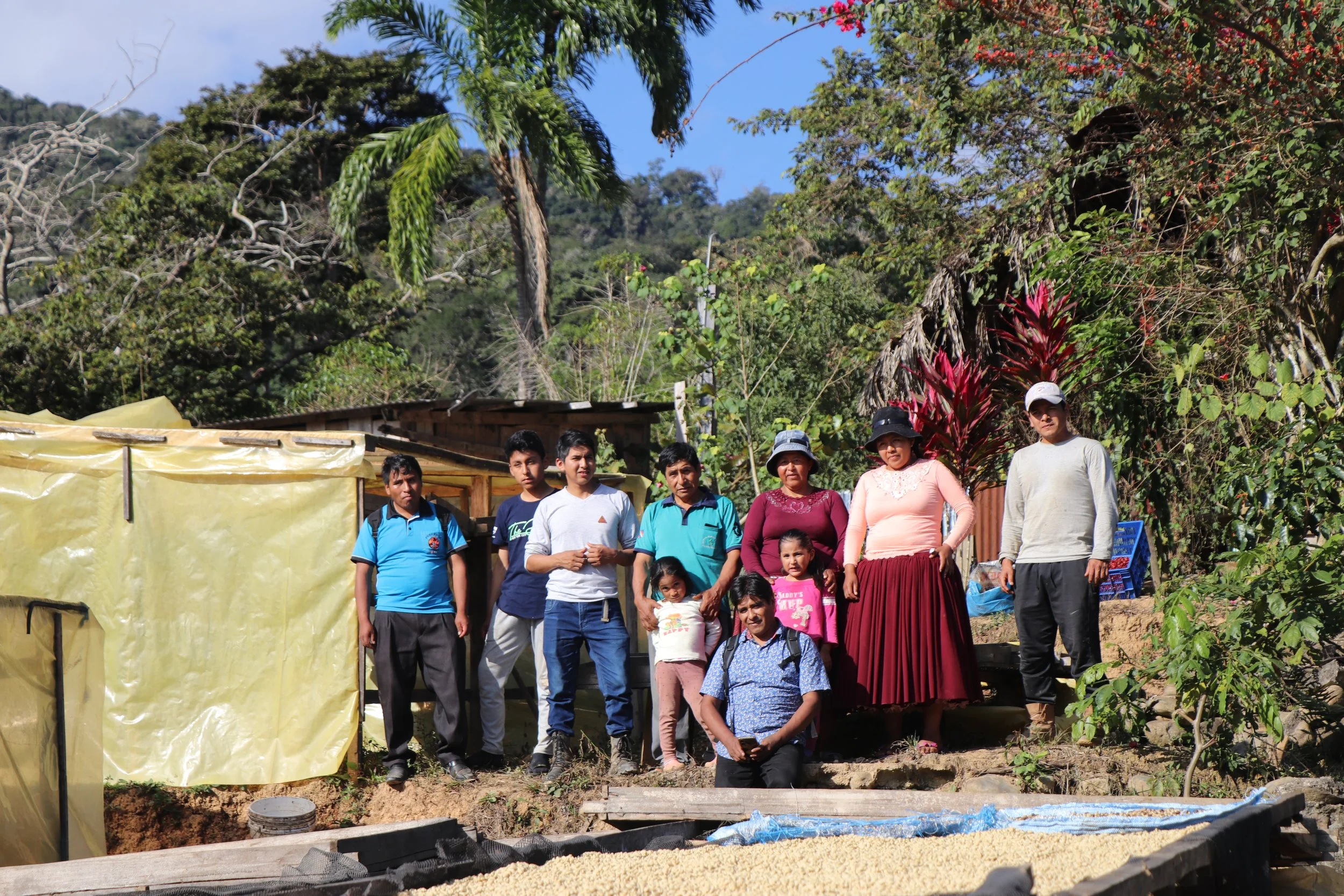
    Bio-Arcoíris is forever grateful to the knowledge of landkeepers over many generations that have allowed the region cooperative members live on and continue to care for, while producing the beans you get to enjoy around the world.

    Stay tuned for the next blog to learn more about how our team continues to care for the plants as they grow the coffee you love.
  • Los Yungas: Home of the Co-Op

    Los Yungas: Home of the Co-Op

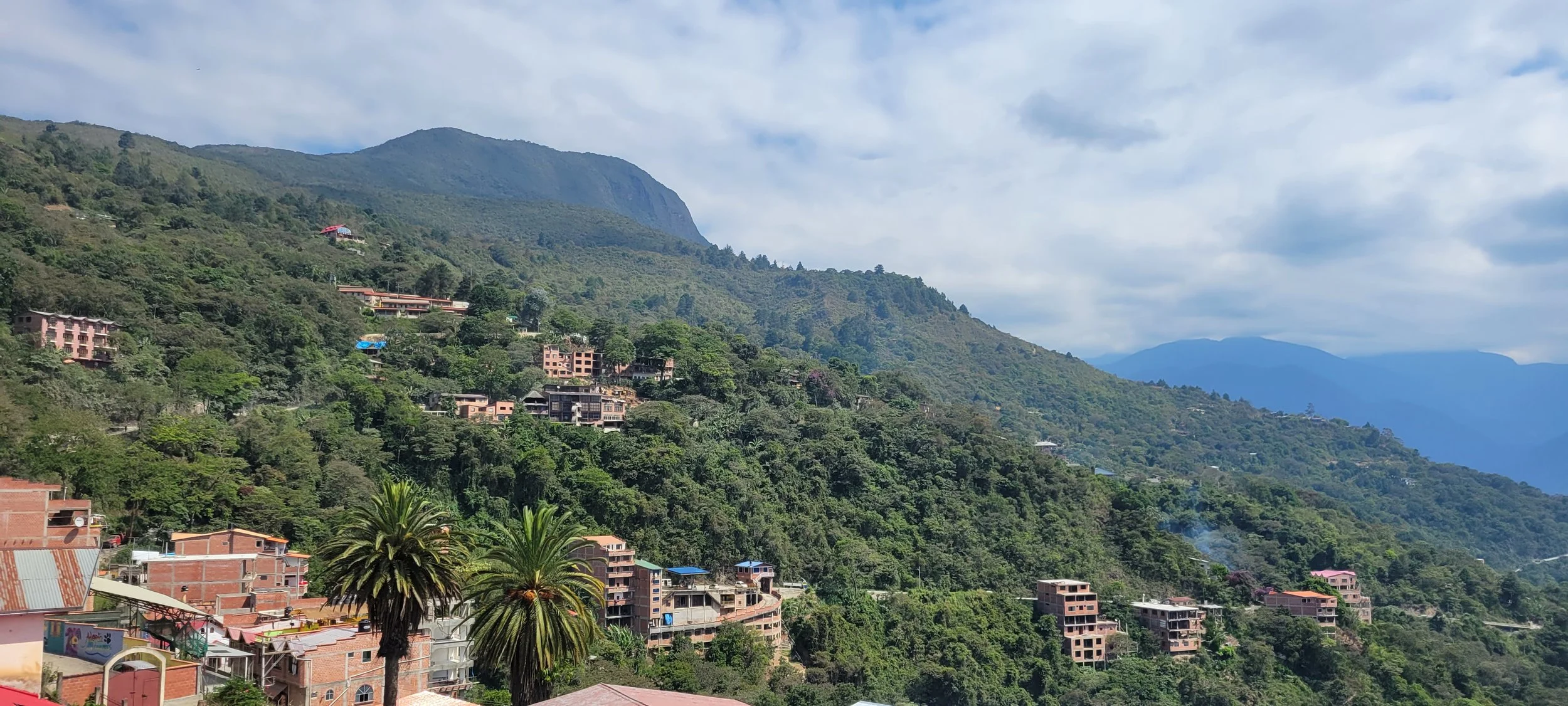
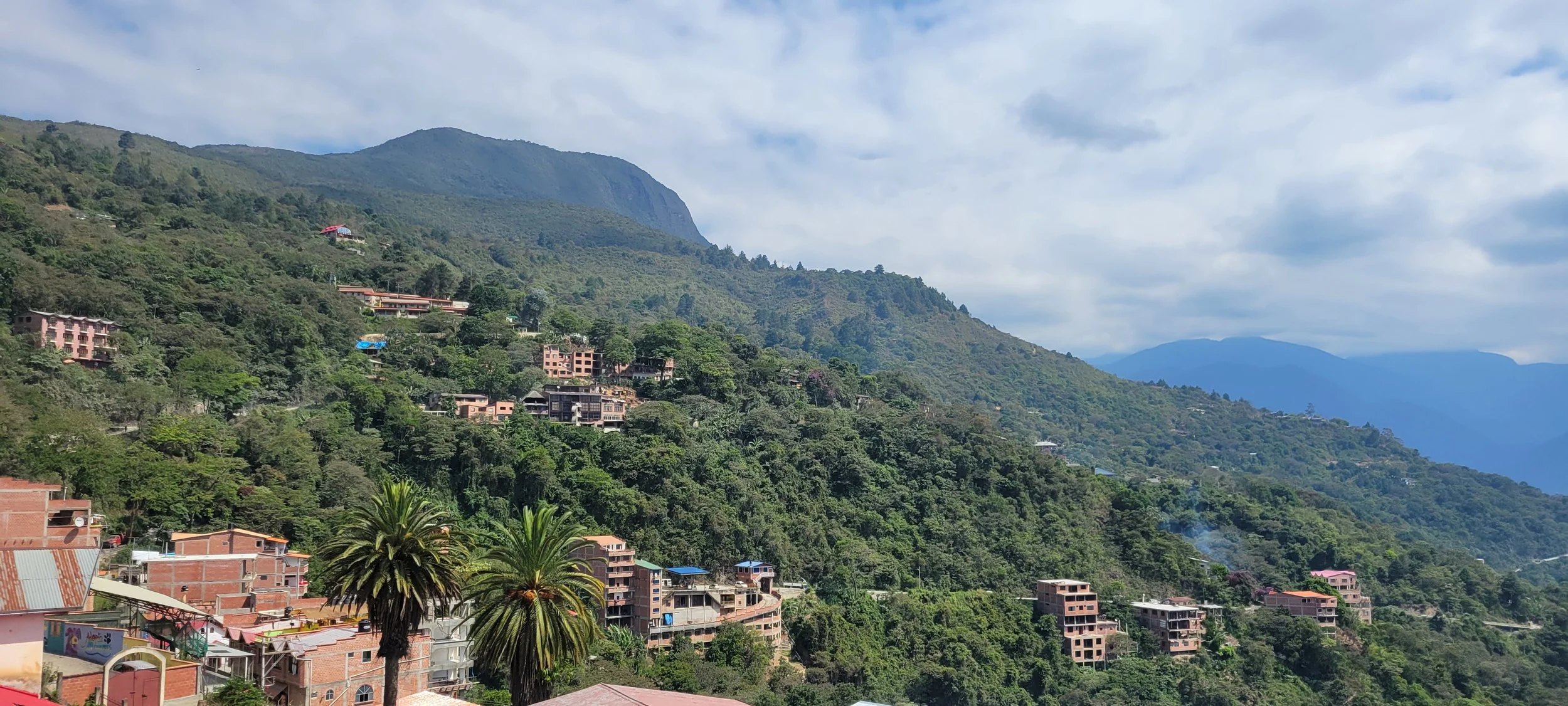
    Nestled within the rugged terrain and lush greenery of Bolivia lies the region of Los Yungas, an area renowned for its high-quality coffee beans and jaw-dropping landscapes. It’s here – most specifically in the farming areas around the towns of Coroico, Caranavi, and Palos Blancos – that Bio-Arcoíris united together with a vision for flourishing communities and celebrated, sustained biodiversity. The Yungas boast a rich history of coffee cultivation and a unique microclimate that contributes to the distinctive flavors that Bio-Arcoíris stewards.

    Geography and Climate

    Los Yungas is situated in the eastern slopes of the Andes Mountains, characterized by steep hillsides and dense forests. The altitude here ranges from 1,000 to 2,000 meters above sea level, creating an ideal environment for coffee cultivation. The region benefits from ample rainfall and a temperate climate, with temperatures averaging between 15 to 25 degrees Celsius, providing optimal conditions for coffee plants to thrive.

    Distinctive Flavors

    Bolivian coffees from Los Yungas are celebrated for their bright acidity, medium to full body, and complex flavor profiles. Notes of citrus, floral undertones, and a subtle sweetness are often detected in these coffees, making them a favorite among specialty coffee enthusiasts who appreciate nuanced and vibrant flavors.

    Town by Town

    • Coroico: Known for its stunning views of the surrounding mountains and valleys, Coroico is a charming town where coffee farming is a significant part of the local economy. Coffee plantations dot the hillsides, offering visitors a chance to witness the cultivation process amidst breathtaking scenery.

    • Caranavi: Considered the heart of Bolivia’s coffee production, Caranavi is renowned for its high-altitude farms and facilities. The town hosts an annual coffee fair, attracting international buyers and showcasing the region’s finest coffees.

    • Palos Blancos: Located in the northern part of Los Yungas, Palos Blancos is recognized for its organic coffee production. The farms here emphasize sustainable practices, ensuring that the natural beauty of the region is preserved while producing exceptional beans.

    Curious to learn more? Come visit!

  • Los Yungas: Hogar de la Cooperativa

    Los Yungas: Hogar de la Cooperativa

    Ubicada en el terreno robusto y la exuberante vegetación de Bolivia, se encuentra la región de Los Yungas, un paraíso para los amantes del café, famoso por sus granos de alta calidad y sus paisajes pintorescos. Es aquí, más específicamente en las zonas agrícolas alrededor de los pueblos de Coroico, Caranavi y Palos Blancos, donde Bio-Arcoíris se unió con una visión de comunidades florecientes y biodiversidad celebrada y sostenida. Los Yungas cuentan con una rica historia de cultivo de café y un microclima único que contribuye a sus sabores distintivos que Bio-Arcoíris cultiva.

    Geografía y Clima

    Los Yungas está situado en la vertiente oriental de la Cordillera de los Andes, caracterizada por laderas empinadas y densos bosques. La altitud aquí oscila entre los 1.000 y los 2.000 metros sobre el nivel del mar, creando un entorno ideal para el cultivo del café. La región se beneficia de abundantes lluvias y un clima templado, con temperaturas promedio de entre 15 y 25 grados Celsius, lo que brinda condiciones óptimas para que prosperen las plantas de café.

    Sabores Distintivos

    Los cafés bolivianos de Los Yungas son famosos por su acidez brillante, cuerpo medio a completo, y perfiles de sabor complejos. En estos cafés a menudo se detectan notas cítricas, matices florales y una dulzura sutil, lo que los convierte en los favoritos entre los entusiastas del café de especialidad que aprecian los sabores vibrantes y llenos de matices.

    Pueblo por Pueblo

    • Coroico: Conocida por sus impresionantes vistas de las montañas y valles circundantes, Coroico es una ciudad encantadora donde el cultivo de café es una parte importante de la economía local. Las plantaciones de café salpican las laderas y ofrecen a los visitantes la oportunidad de presenciar el proceso de cultivo en medio de un paisaje impresionante.

    • Caranavi: Considerada el corazón de la producción de café de Bolivia, Caranavi es reconocida por sus fincas e instalaciones de gran altitud. La ciudad alberga una feria anual del café, que atrae a compradores internacionales y muestra los mejores cafés de la región.

    • Palos Blancos: Ubicado en la zona norte de Los Yungas, Palos Blancos es reconocido por su producción de café orgánico. Las granjas aquí enfatizan prácticas sustentables, asegurando que se preserve la belleza natural de la región mientras se producen granos excepcionales.

    ¿Le da curiosidad saber más? ¡Venga a visitar!

  • Bio-Arcoíris: The Beginnings

    Bio-Arcoíris: The Beginnings

    We’ve made it to the internet! And we’re so glad you found us here. Welcome to Bio-Arcoíris!

    Our story didn’t just start here, though. Our story begins with the generations of dedicated coffee farmers that have worked this land, listened to one another, and dreamed of doing things differently. So we are here to honor that vision, for them and for the generations to come.

    While Bio-Arcoíris is certainly not the first coffee cooperative to do things differently, we are grateful and actively listening to the experiences of others. Real flourishing comes with collaboration. And still, we are proud to be one of the first and fastest-growing cooperatives with this approach in Bolivia.

    As the story continues to unfold, may we continue to remember where we came from. Why we joined together. Why we are committed to doing things differently. And why we’re so hopeful for all that’s to come — including our growing relationships with all of you.

    Thanks for being part of the journey.

  • Bio-Arcoíris: Los Inicios

    Bio-Arcoíris: Los Inicios

    ¡Llegamos al Internet! Y estamos muy contentos de que nos haya encontrado aquí. ¡Bienvenido a Bio-Arcoíris!

    Sin embargo, nuestra historia no empezó recién aquí. Nuestra historia comenzó con las generaciones de cafecultores dedicados que trabajaron esta tierra, se escucharon unos a otros, y soñaron con hacer las cosas de manera diferente. Por eso estamos aquí para honrar esa visión, para ellos y para las generaciones que vienen.

    Si bien Bio-Arcoíris no es la primera cooperativa de café que hace las cosas de manera diferente, agradecemos y escuchamos activamente las experiencias de los demás. El verdadero florecimiento viene con la colaboración. Y aún así, nos da gran orgullo ser una de las primeras cooperativas con este enfoque en Bolivia, y una que va creciendo rápidamente.

    A medida que la historia siga pasando, nuestro compromiso es que sigamos recordando de dónde venimos. Por qué nos unimos. Por qué estamos comprometidos a hacer las cosas de manera diferente. Y por qué tenemos tantas esperanzas en todo lo que está por venir, incluyendo las relaciones que van creciendo con ustedes, nuestra comunidad alrededor.

    Gracias por ser parte del viaje.